

Every monsoon season, Nepal braces itself for floods and landslides but in 2025, the water came harder and at the worst possible time. In early October, relentless rain triggered flash floods across eastern Nepal, with Ilam suffering the heaviest toll. More than 50 lives were lost, and communities were cut off as highways crumbled and bridges collapsed.
But this year’s disaster carried an extra sting: it struck amidst the Dashain and Tihar festive season, when Nepal’s roads are busiest and its economy is most vibrant. Bus parks that usually overflowed with travelers turned silent, and long-haul trucks loaded with festive goods were stranded for days. Even the skies weren’t spared; domestic airlines faced tight bookings, rising fares, and frequent weather-related delays, compounding the struggle for thousands trying to reunite with family or deliver goods on time. The highways connecting Birgunj to Kathmandu the arteries of commerce, were suddenly impassable, leaving both mobility and morale stuck in place.
The Economic Shock Beneath the Surface
Natural disasters don’t just destroy homes; they dismantle the very systems that keep economies moving. The 2025 floods made that painfully evident. Total losses hit Rs. 46.68 billion, of which Rs. 38.92 billion was damage to physical infrastructure. Roads and highways alone bore Rs. 27.98 billion of the cost, while public transport operators lost about Rs. 730 million, from destroyed vehicles, blocked routes, and suspended services.
Beyond the dollar figures lies a story of disrupted supply chains. When bridges collapsed—particularly in zones on trade routes from China—cargo trucks were forced onto longer, less direct paths. Goods that might have arrived in days were delayed by weeks. In one notable case, the Rasuwagadhi “Friendship Bridge” linking Nepal and China was washed away in July 2025, sweeping away vehicles parked at the border and halting cross-border trade entirely.
As for operations, many transport and logistics services remained suspended for several days to over a week after the floods, particularly in the hardest hit districts. (E.g. domestic flights were largely disrupted; major highways into Kathmandu were cut off; work to clear and restore traffic was ongoing throughout the week.)
The chart below helps illustrate how the burden of those losses fell disproportionately on the infrastructure networks that carry business activity.
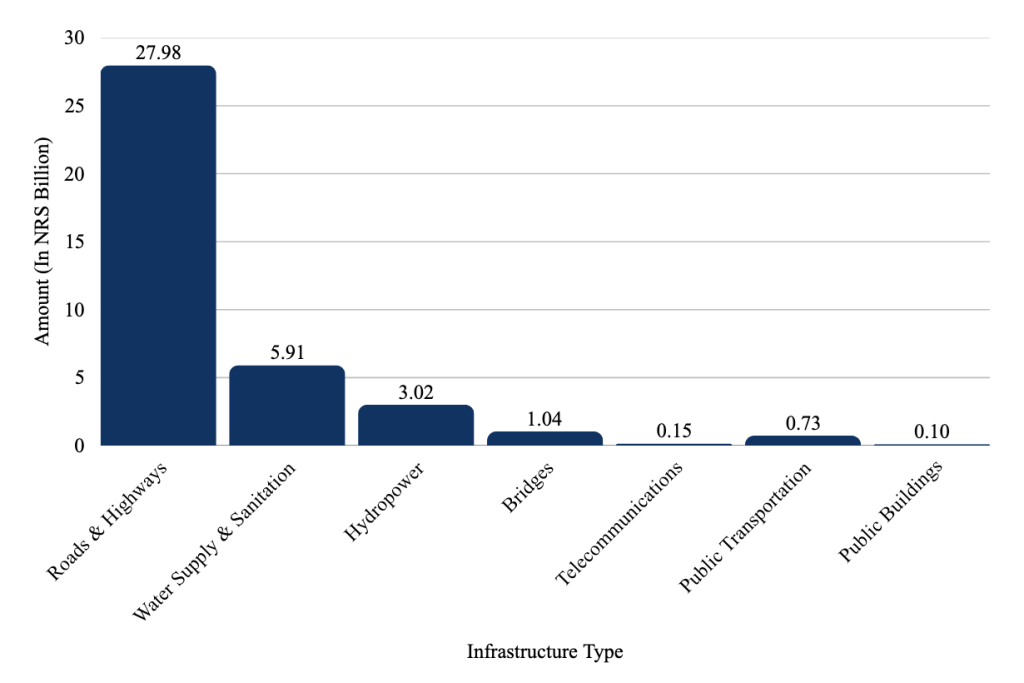
Fig 1: Sectoral Breakdown of Economic Losses from the September 2025 Floods in Nepal
Roads alone made up the most of total losses, revealing how Nepal’s economic fragility flows through its physical infrastructure.
When Dashain’s Journey Halted
Every year, Dashain and Tihar bring with them a surge in transport activity, the largest seasonal migration in Nepal. Highways hum with buses, trucks, and microvans, ferrying both people and goods across the country. But in 2025, that familiar rhythm broke.
Over 41 major roads and highways were damaged, and travel restrictions on routes like the BP, Prithvi, and Araniko highways left passengers stranded and businesses paralyzed. Public transport entrepreneurs reported nearly Rs. 730 million in direct losses, just as ticket demand had peaked. Retailers couldn’t restock fast enough; logistics companies missed delivery deadlines; prices climbed in local markets as supply bottlenecks worsened.
In short, what should have been Nepal’s most vibrant commercial season became a logistical crisis leading to a pool of losses and emotional drought amidst festive time.
The Koshi Barrage: A Warning Sign
As if that wasn’t enough, the Koshi Barrage crisis deepened the chaos. When river levels rose above danger thresholds, Indian authorities opened all 56 sluice gates averting infrastructure collapse but flooding large swaths of southern Nepal. Cross-border trade slowed to a trickle, and debates reignited about the fragile power balance in transboundary water management.
Nepal, though bearing much of the downstream cost, still lacks sufficient leverage and preparedness mechanisms to manage such coordinated crises. This episode made it clear that water politics and infrastructure resilience are now inseparable concerns for the country’s economy.
Political Underpinnings of a Predictable Crisis
Each year, floods seem to expose the same cracks not just in the ground, but in governance. Fragmented coordination between federal and provincial agencies still slows road repairs, early-warning systems remain underfunded, and development budgets for highways and drainage systems are routinely underspent.
That said, the government’s response to the 2025 floods did show a modest but notable improvement over last year’s crisis. Provincial authorities were quicker to deploy heavy equipment and open relief corridors, and communication between disaster response units was more streamlined than during the 2024 floods. For instance, road clearance along the Prithvi Highway resumed within days this year, compared to weeks in 2024.
Yet, while these operational gains prevented the situation from spiraling further, the structural weaknesses remain the same. Long-term infrastructure resilience projects continue to lag, funding remains reactive, and political focus shifts as soon as the floodwaters recede. In effect, Nepal has moved from slow response to faster recovery but not yet toward prevention.
Each monsoon season thus brings a familiar pattern: a better-managed emergency, but still an avoidable one. The result is not merely a natural disaster, but a policy failure that repeats itself just slightly faster each year. Businesses continue to face the same disruptions, and the country continues to count the same losses.
The data tells its own story:
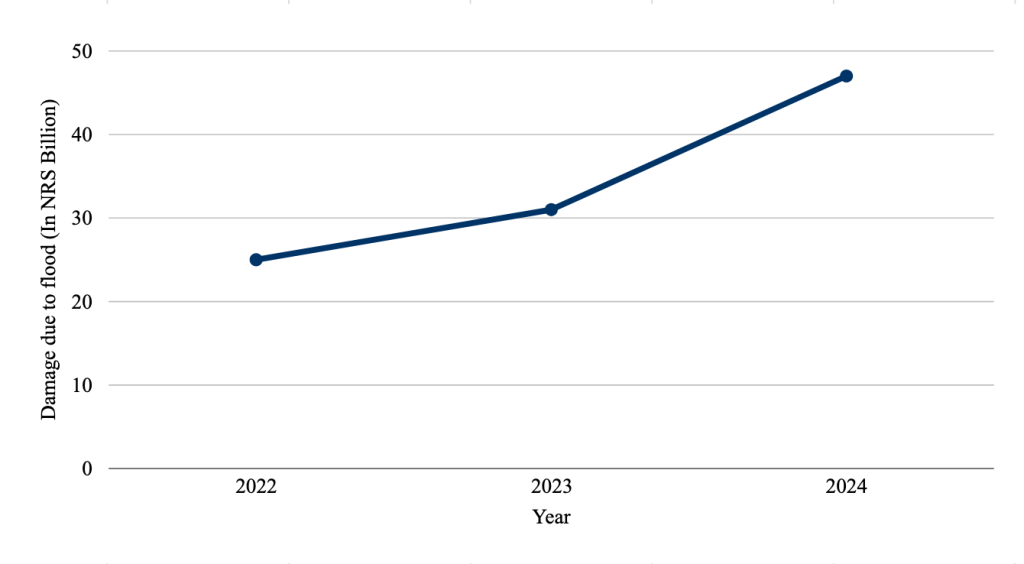
Fig 2: Year-on-Year Economic Losses from Floods and Landslides in Nepal (2022–2024)
Each year, flood-related economic losses have climbed sharply an unmistakable sign that reactive crisis management is no longer enough.
Adapting to the New Normal
For Nepal’s business community, this isn’t a question of “if” disruptions will happen, but “when.” Companies that survived this year’s chaos are already rethinking their resilience strategies:
- Decentralize storage and logistics to reduce dependence on single transport corridors.
- Invest in insurance fleet and business-interruption policies remain rare but crucial.
- Build contingency budgets for delays, rerouting, and repair.
- Adopt digital coordination tools so teams can operate remotely when travel halts.
- Engage with local governments for early warnings and adaptive planning.
These steps don’t eliminate risk, but they buy time and in a disaster, time is everything.
A Forward-Looking Imperative
The floods of 2025 aren’t an anomaly; they’re a preview of what’s coming. As climate patterns intensify, the cost of inaction will multiply. Strengthening infrastructure resilience, improving cross-border coordination, and embedding disaster preparedness into business planning aren’t luxuries anymore they’re the baseline for economic survival.
At Kathmandu Business Consultancy, we believe resilience begins long before the rain starts to fall. Through smarter financial planning, compliance management, and strategic foresight, we help businesses stay grounded even when the roads are not.
Because when floods shut the roads, what truly keeps Nepal moving is preparedness.
Leave a Reply